

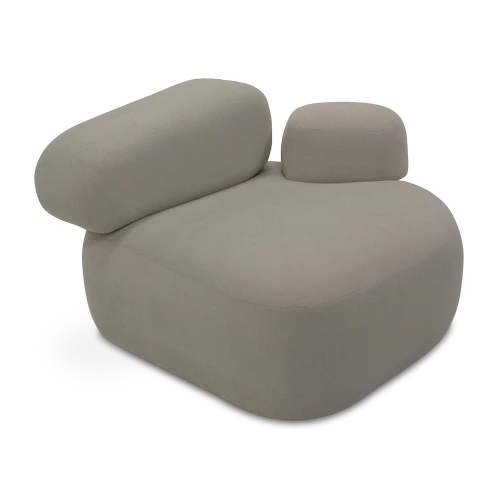
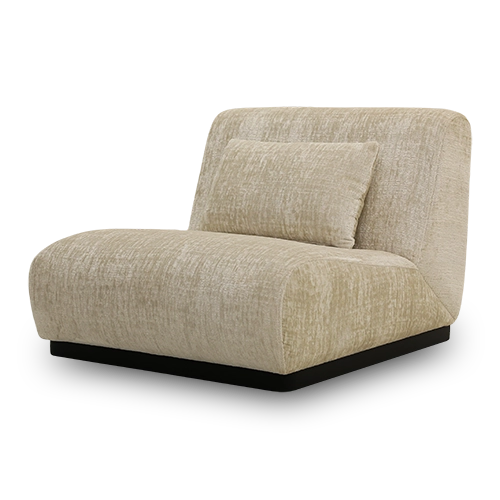
Modern furniture has become one of the most influential styles in today’s interior design. Known for clean lines, functional shapes, and minimalist elegance, modern furniture offers both visual appeal and practical comfort. Whether you are renovating a home, designing a commercial space, or simply exploring new décor ideas, understanding modern furniture will help you make smart design choices. This article covers the key features, materials, benefits, and top trends shaping modern furniture today.
What Defines Modern Furniture?
Modern furniture is inspired by the Modernist movement of the late 19th and early 20th centuries. Unlike traditional furniture, which often includes ornate carvings and heavy decoration, modern furniture focuses on simplicity and functionality. The famous principle “form follows function” truly defines this style.
The most recognizable characteristics of modern furniture include:
- Clean, straight lines
- Minimal ornamentation
- Neutral colors with occasional bold accents
- Simple geometric shapes
- Practical design focused on comfort and efficiency
- A balance of natural and industrial materials
Modern furniture blends seamlessly in homes, offices, hotels, and even commercial lobbies because of its universal, timeless look.
Key Materials Used in Modern Furniture
Modern furniture stands out due to its innovative use of materials. Designers combine natural and industrial elements to create furniture that is both stylish and durable.
Wood
Light woods such as oak, birch, maple, and walnut are commonly used. These woods have subtle grain patterns that complement minimalist interiors.
Metal
Metal—especially steel, chrome, and aluminum—is a signature element of modern furniture. Metal legs, frames, and accents add strength and a sleek, contemporary touch.
Glass
Glass tabletops and shelves contribute to the airy, open feeling of modern spaces. They help rooms appear larger and more refined.
Leather and Fabric
Modern sofas and chairs often use leather, faux leather, or simple woven fabrics. These materials are chosen for comfort, durability, and ease of maintenance.
Synthetic Materials
Plastics, acrylic, molded fiberglass, and resin are also common. They allow designers to create shapes that are difficult to achieve with traditional materials.
Why Modern Furniture Is So Popular
Modern furniture remains a top choice for homeowners and interior designers. Its rising popularity is driven by several advantages:
- Timeless Aesthetic
Because modern furniture avoids excessive ornamentation, it rarely goes out of style. Its clean, universal aesthetic blends well with various design themes—from Scandinavian to industrial.
- Space Efficiency
Modern furniture is perfect for small apartments or homes. Its streamlined shapes and multifunctional designs maximize space without overcrowding.
- Comfort and Functionality
Ergonomic design is central to modern furniture. Sofas, chairs, and desks are created with user comfort in mind, making them ideal for everyday use.
- Easy Maintenance
Smooth surfaces and simple construction make modern furniture surprisingly easy to clean and maintain. This is especially valuable for busy households.
- Versatility
Modern furniture works well with many color themes, décor styles, and architectural designs. Whether you prefer a minimalist home or a warm, cozy space, modern furniture adapts easily.
How to Style Your Home With Modern Furniture
Integrating modern furniture into your home doesn’t require a full renovation. A few strategic choices can completely transform your space.
Choose a Neutral Color Base
Start with colors such as white, beige, gray, black, or natural wood. These shades create a calm, balanced foundation.
Add Warm or Bold Accents
Use cushions, rugs, or artwork to introduce personality to the room. A single colorful accessory can make a big visual impact.
Emphasize Open Space
Avoid clutter. Modern furniture looks best when surrounded by open areas that allow the design to breathe.
Mix Materials
Pair a wooden dining table with metal‑frame chairs, or combine a glass coffee table with a fabric sofa. Mixing materials adds texture and visual interest.
Use Functional Pieces
Look for furniture that serves dual purposes such as storage ottomans, expandable dining tables, or modular sofas.
Highlight Natural Light
Modern interiors thrive in bright spaces. Use sheer curtains or leave windows uncovered to emphasize natural lighting.
Top Modern Furniture Trends for 2026
Modern furniture continues to evolve as homeowners seek comfort, sustainability, and style. The biggest trends include:
Sustainable Materials
Eco‑friendly furniture made from reclaimed wood, bamboo, recyclable metals, and organic fabrics is becoming increasingly popular.
Curved Shapes
Inspired by mid‑century modern design, rounded sofas, oval tables, and organic silhouettes are making a strong comeback.
Smart Furniture
Furniture with built‑in technology—USB ports, wireless charging, LED lighting, and storage sensors—is quickly becoming mainstream.
Earth‑Tone Color Palettes
Warm natural colors such as terracotta, olive green, sand, and oatmeal are replacing cold grays and stark whites.
Multifunctional and Modular Designs
As living spaces become smaller, people want flexible furniture that adapts to their lifestyle. Modular shelving, adjustable desks, and convertible beds are in high demand.
Final Thoughts
Modern furniture is more than just a design style—it’s a philosophy that values simplicity, functionality, and beauty. With its clean lines, smart materials, and timeless look, modern furniture can elevate any home or workspace. Whether you’re redesigning a single room or planning a full interior makeover, choosing modern furniture ensures a stylish, comfortable, and future‑ready environment.