

The modern furniture industry is entering a transformative era in 2026. Driven by rapid urbanization, advancing technology, changing work patterns, and growing consumer demand for sustainable living environments, the global furniture market is expected to expand significantly. As brands adapt to new lifestyle behaviors and design preferences, the modern furniture sector is evolving into one of the most innovative and competitive design-driven markets. This article explores the key trends shaping the modern furniture industry in 2026, highlighting what manufacturers, retailers, and consumers can expect in the coming year.
Rising Demand for Smart and Connected Furniture
One of the most powerful drivers of growth in 2026 is the rapid adoption of smart furniture. As homes continue to integrate connected devices, consumers increasingly expect their furniture to enhance convenience, health, and productivity. From smart desks that adjust height automatically to beds equipped with biometric sensors, intelligent furniture is no longer considered futuristic—it is becoming mainstream.
Manufacturers are focusing on integrating wireless charging pads, embedded lighting systems, voice-controlled features, and ergonomic adjustments into modern designs. This shift aligns with the rising popularity of home offices and hybrid work models, pushing consumers to invest in high-quality, tech-enhanced pieces that support daily tasks.
Sustainability as a Central Purchasing Factor
Environmental responsibility remains at the heart of modern furniture trends in 2026. Consumers are more conscious than ever about the materials, production methods, and lifecycle impact of the items they purchase. As a result, sustainable furniture has moved from niche to necessity.
Key sustainability trends include:
- Use of recycled and upcycled materials
- Low‑VOC finishes and eco-friendly textiles
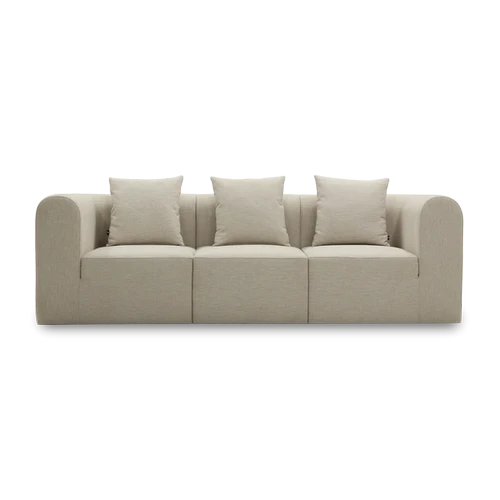
- Modular designs that extend product lifespan
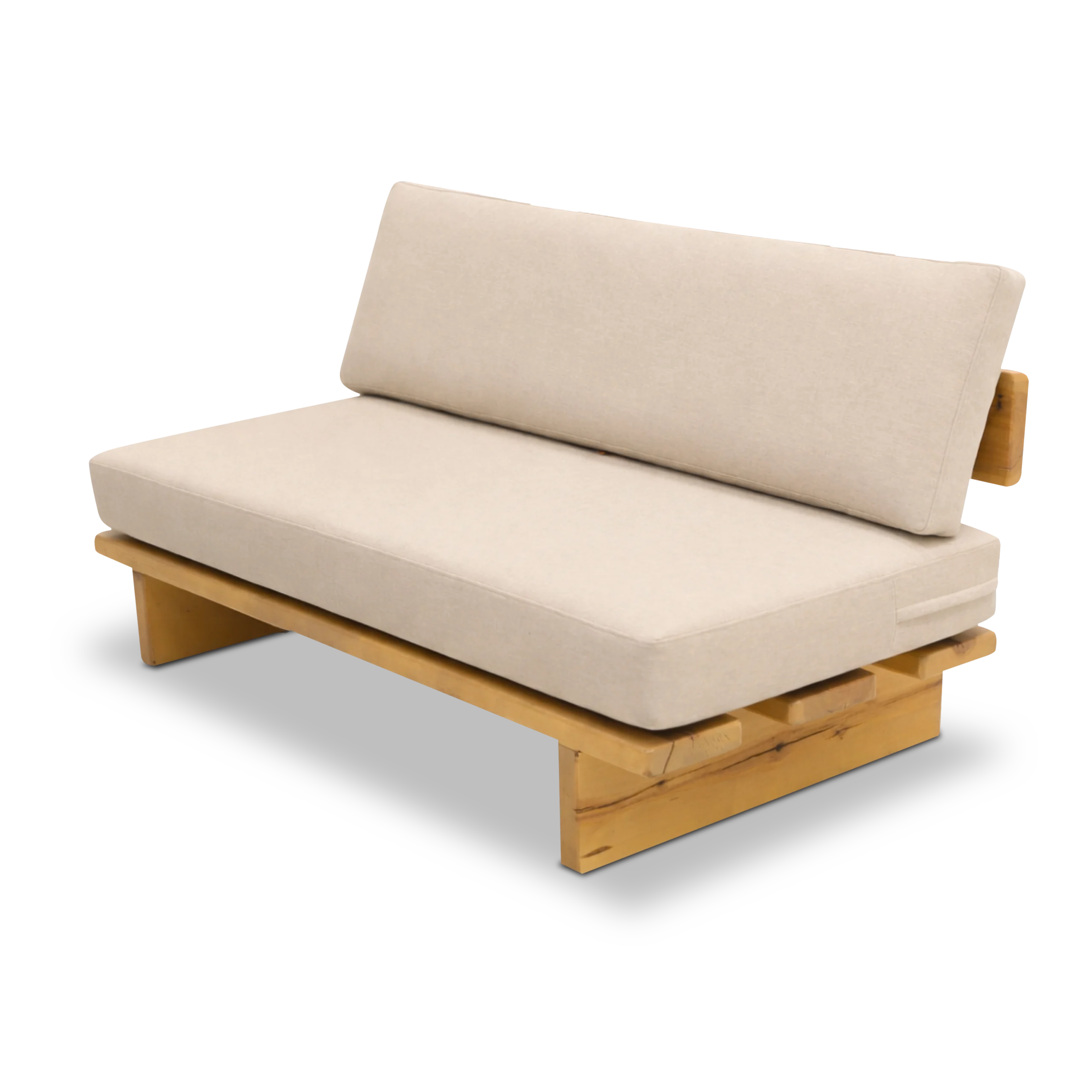
- Locally sourced wood and responsibly managed forestry practices
Brands that prioritize transparency in sourcing and fully embrace circular design principles are expected to gain a competitive edge. Certifications like FSC, GREENGUARD, and Cradle to Cradle also continue to influence consumer trust and buying behavior.
Minimalist and Multifunctional Designs Lead the Market
Space efficiency remains a major theme in 2026, especially as urban living spaces become smaller and more expensive. This has accelerated demand for multifunctional modern furniture, including sofa beds, convertible dining tables, modular shelving, and foldable workstations.
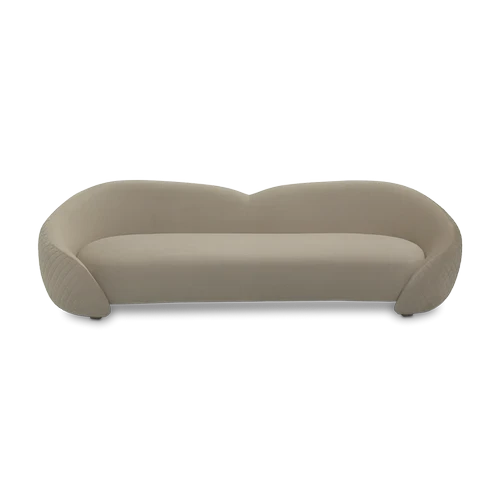
The minimalist aesthetic still dominates global trends, driven by Scandinavian, Japanese, and contemporary European design influences. Clean lines, neutral palettes, and soft organic shapes help create balanced, calming interiors—an important priority as people seek comfort and mental well‑being inside their homes.
Increased Personalization and Custom Builds
Another major shift in 2026 is the rise of personalized furniture. Consumers increasingly expect the ability to customize colors, fabrics, dimensions, and functional features. Digital configurators and 3D product previews allow shoppers to visualize custom items before placing an order, reducing friction in online purchases.
Furniture brands are adopting on-demand manufacturing models, allowing them to offer personalized solutions without relying on massive inventories. This trend not only increases customer satisfaction but also reduces waste and improves production efficiency.
Growth of E‑Commerce and Augmented Reality
Online furniture shopping continues to surge in 2026. The adoption of augmented reality (AR) enables customers to place virtual furniture inside their room before buying, reducing returns and increasing confidence in large purchases. Retailers are integrating AR viewing, virtual showrooms, and AI‑powered recommendation engines into their e‑commerce platforms.
Fast delivery, flexible financing options, and simplified return policies are now essential for online success. Additionally, direct‑to‑consumer (DTC) furniture brands are expanding rapidly, challenging traditional retailers with more competitive prices and seamless digital experiences.
The Influence of Wellness‑Focused Design
Well‑being is one of the most significant design priorities in 2026. Consumers want furniture that improves physical comfort, reduces stress, and enhances daily routines. Ergonomic seating, breathable fabrics, soft‑edge designs, and natural materials are gaining popularity. Biophilic design—which incorporates nature-inspired elements—continues to rise as homeowners seek healthier living environments.
Conclusion: A Promising Future for Modern Furniture in 2026
The modern furniture industry in 2026 is defined by innovation, sustainability, personalization, and the integration of smart technology. As consumer expectations evolve, brands that embrace eco-friendly materials, multifunctional designs, and enhanced digital shopping experiences will lead the market. With strong demand for intelligent home furnishings, ergonomic solutions, and customizable products, the future of modern furniture looks dynamic and full of opportunity.